
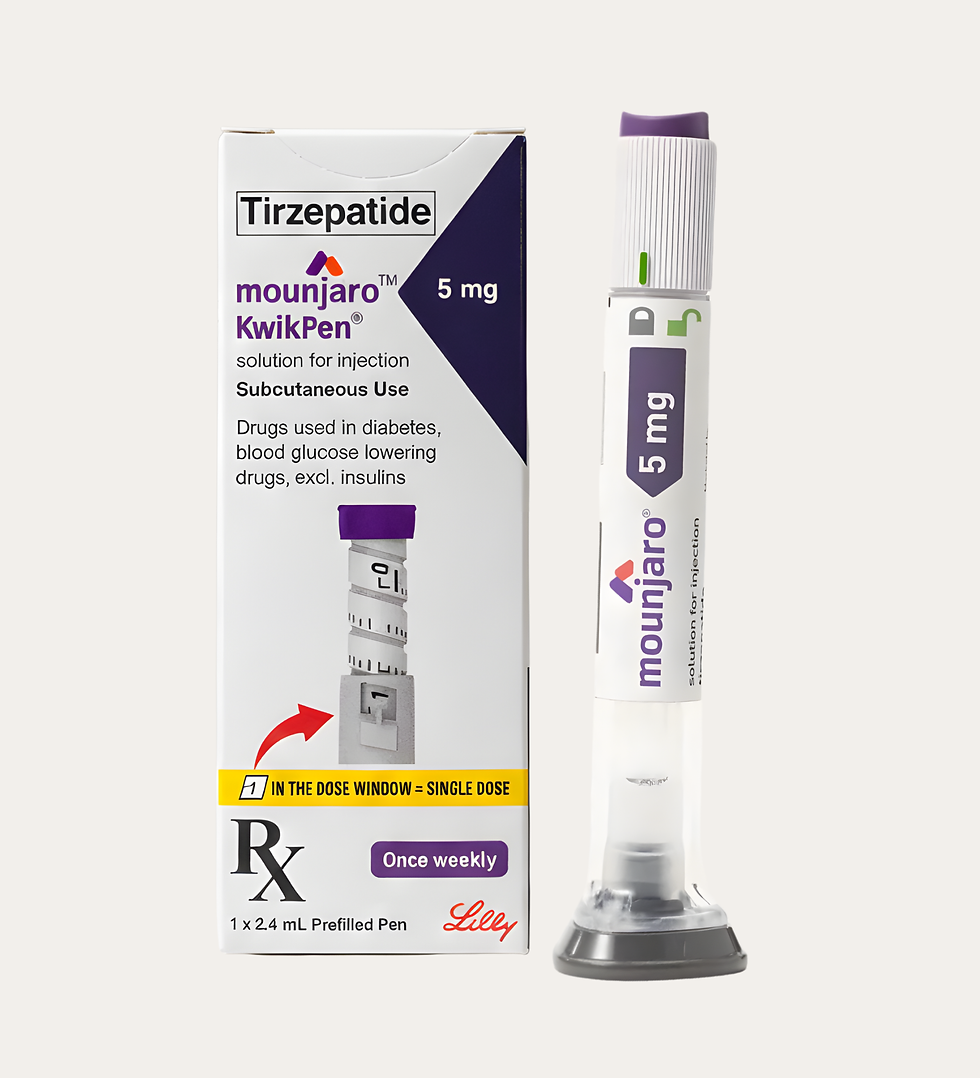
Approved Uses of Mounjaro
1. Type 2 Diabetes Management
-
Mounjaro is approved as an adjunct to diet and exercise to help lower blood glucose levels in adults with type 2 diabetes. (Mounjaro)
2. Weight Loss Effects (Off-Label/Related Indications)
-
While Mounjaro itself is not yet FDA-approved specifically for weight loss, its active ingredient (tirzepatide) is marketed under a different brand name — Zepbound® — for chronic weight management in individuals with obesity or overweight and associated medical conditions. (Prevention Clinics)
This strong metabolic effect has made it one of the most discussed treatments in obesity and metabolic medicine. (AP News)
Dosage & Administration
-
Mounjaro is given once weekly via subcutaneous injection into the abdomen, thigh, or upper arm. (Mounjaro)
-
Typical treatment begins with a 2.5 mg dose (for initiation) and is gradually increased every 4 weeks to higher effective doses to optimize blood sugar control and minimize side effects. (Lilly Patient Information)
-
Maximum recommended dose is 15 mg once weekly. (PrescriberPoint)
Regular medical oversight is critical to monitor blood sugar, adjust dose, and minimize risks.
Common Side Effects
Like other incretin-based therapies, Mounjaro’s most reported side effects relate to the GI (digestive) system:
-
Nausea
-
Diarrhea
-
Constipation
-
Abdominal discomfort
-
Loss of appetite
These symptoms often diminish with time as the body adjusts. (Cleveland Clinic)
Serious Risks & Warnings
Although rare, more serious side effects may occur:
⚠ Pancreatitis
⚠ Gallbladder disease
⚠ Hypoglycemia (especially with other diabetes medications)
⚠ Possible thyroid C-cell tumors (seen in animal studies; risk in humans is unclear — avoid use in persons with personal/family history of medullary thyroid carcinoma or multiple endocrine neoplasia syndrome type 2). (FDA Access Data)
Patients should report severe abdominal pain, persistent nausea/vomiting, or symptoms of thyroid abnormalities (e.g., lump in throat, hoarseness) promptly. (Lilly Patient Information)
Benefits of Mounjaro
Blood Sugar Regulation
Mounjaro significantly improves glycemic control by increasing insulin release and lowering post-meal blood glucose levels. (European Medicines Agency (EMA))
Weight Impact
While approved for diabetes, many patients experience weight loss due to appetite suppression and slower gastric emptying. This benefit has spurred broader clinical interest and regulatory approvals of tirzepatide in weight management. (Prevention Clinics)
Comparative clinical data show tirzepatide may produce greater weight loss than older GLP-1 drugs like Ozempic due to its dual hormonal targets. (The Guardian)
Who Should Consider Mounjaro?
Mounjaro is prescribed for adults with type 2 diabetes who need improved glycemic control, especially when combined with lifestyle changes like diet and exercise. (Mounjaro)
It may also be considered in clinical contexts where weight loss is desirable — but only under medical supervision.
Safety & Monitoring Tips
✔ Discuss your full medical history with your clinician
✔ Inform your provider about other medications — Mounjaro can delay gastric emptying and affect absorption of some oral medicines. (Lilly Patient Information)
✔ Schedule regular follow-ups for dose adjustments and side effect assessment
✔ Seek immediate care for signs of pancreatitis or allergic reaction
Mounjaro
Mounjaro is the brand name for a prescription medication whose active ingredient is tirzepatide — a novel injectable treatment approved to improve blood sugar control in adults with type 2 diabetes mellitus when used alongside diet and exercise. (Mounjaro)
Mounjaro is administered once weekly via a subcutaneous injection (under the skin) and has gained attention for also producing weight loss effects in clinical settings — a benefit closely associated with its mechanism of action. (Cleveland Clinic)
How Mounjaro Works (Mechanism of Action)
Mounjaro (tirzepatide) is a dual incretin receptor agonist, meaning it activates two key hormones involved in glucose regulation:
✔ GLP-1 (Glucagon-Like Peptide-1) — increases insulin release and slows digestion
✔ GIP (Glucose-Dependent Insulinotropic Polypeptide) — enhances insulin secretion and improves metabolic signaling
This dual action leads to improved insulin sensitivity, reduced blood sugar levels, slowed gastric emptying, lowered appetite, and often weight reduction in users. (European Medicines Agency (EMA))